Help Center
 English

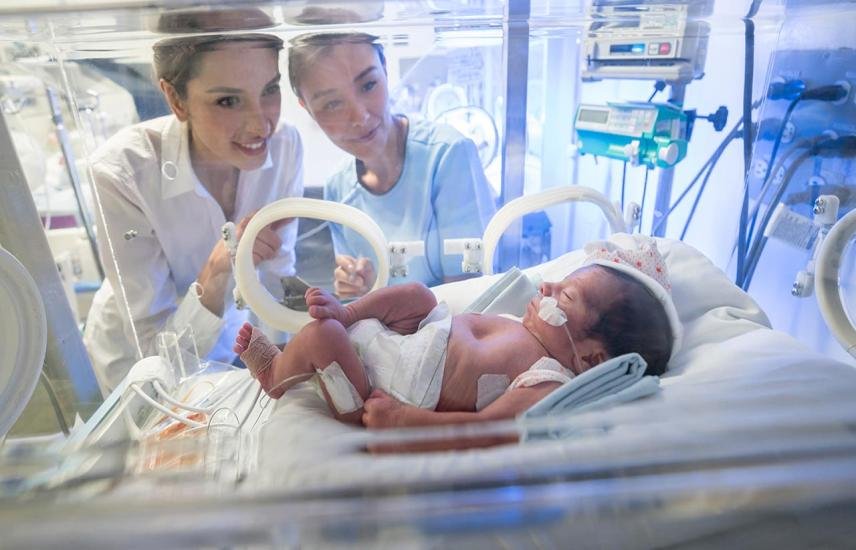
Every newborn deserves a healthy beginning—but for thousands of babies each year, the first moments of life are marked by medical emergencies, premature birth, or life-threatening complications. Neonatal conditions require immediate, specialized care, advanced technology, and compassionate support for families facing unimaginable stress.
The Neonatology & Newborn Care Campaign by WonderKidz Foundation is dedicated to supporting vulnerable newborns and premature infants by strengthening access to high-quality neonatal care, advancing early intervention, and standing beside families during the most critical days of their child’s life.
The neonatal period—the first 28 days of life—is the most fragile stage of human development. Complications during this time can have lifelong consequences if not treated promptly and effectively.
Families of newborns in intensive care often face:
Premature or low-birth-weight births
Respiratory distress and developmental complications
Congenital or genetic conditions detected at birth
Prolonged NICU stays with overwhelming medical costs
Emotional trauma and uncertainty during critical early days
Early, specialized neonatal care can mean the difference between survival and loss—and between long-term health and lifelong challenges.
Through the Neonatology & Newborn Care Campaign, WonderKidz Foundation works to ensure that every newborn—regardless of circumstance—has access to life-saving care and early medical support during the most critical moments of life.
Our mission is to help newborns survive, stabilize, and thrive—while providing families with the care, guidance, and dignity they deserve.
We support access to specialized neonatal and NICU services for premature and critically ill newborns.
This includes assistance with:
Neonatal intensive care services
Respiratory and life-support equipment
Monitoring and stabilization during critical early days
Specialized neonatal consultations and follow-up care
Our support helps ensure newborns receive immediate, expert care when it matters most.
Early diagnosis is essential for preventing long-term complications. We help support early screening and diagnostic services that identify health risks at birth or shortly thereafter.
This includes:
Newborn health screenings
Detection of congenital and metabolic conditions
Support for early intervention planning
AI-assisted tools to enhance screening accuracy
Early detection allows care teams to act quickly and improve long-term outcomes.
The emotional and financial burden of a newborn’s hospitalization can be overwhelming. We provide holistic family support so parents can focus on their child’s recovery.
Family assistance may include:
Travel and lodging support near NICU facilities
Meal and transportation assistance
Emotional counseling and peer support
Education and guidance for parents of premature infants
Supporting families strengthens the healing environment for newborns.
Newborn care doesn’t end at discharge. Many premature or critically ill infants require long-term monitoring and developmental support.
We help support:
Follow-up medical appointments
Developmental assessments
Early childhood intervention programs
Resources to support healthy growth and development
Our goal is not just survival—but a healthy future.
We support charitable research and innovation aimed at improving neonatal outcomes.
This includes:
Advancing neonatal treatment protocols
Supporting innovation in newborn diagnostics and monitoring
Promoting ethical, data-driven approaches to neonatal care
Research today saves newborn lives tomorrow.
Through this campaign, we strive to:
Improve survival rates for premature and critically ill newborns
Reduce long-term health complications through early intervention
Ease emotional and financial stress on families
Advance innovation in neonatal medicine
Give newborns the best possible start in life
Every tiny heartbeat represents a future full of possibility. Babies supported through this campaign gain more than medical care—they gain time, strength, and a chance to grow.
“When our baby arrived too early, we were terrified. The support we received allowed us to stay close, stay hopeful, and focus on our child’s recovery.”
— Parent of a NICU survivor
$10,000.00
$0.00
$10,000.00
235 days to go
Organized By ↗